

Press

Filmmaker
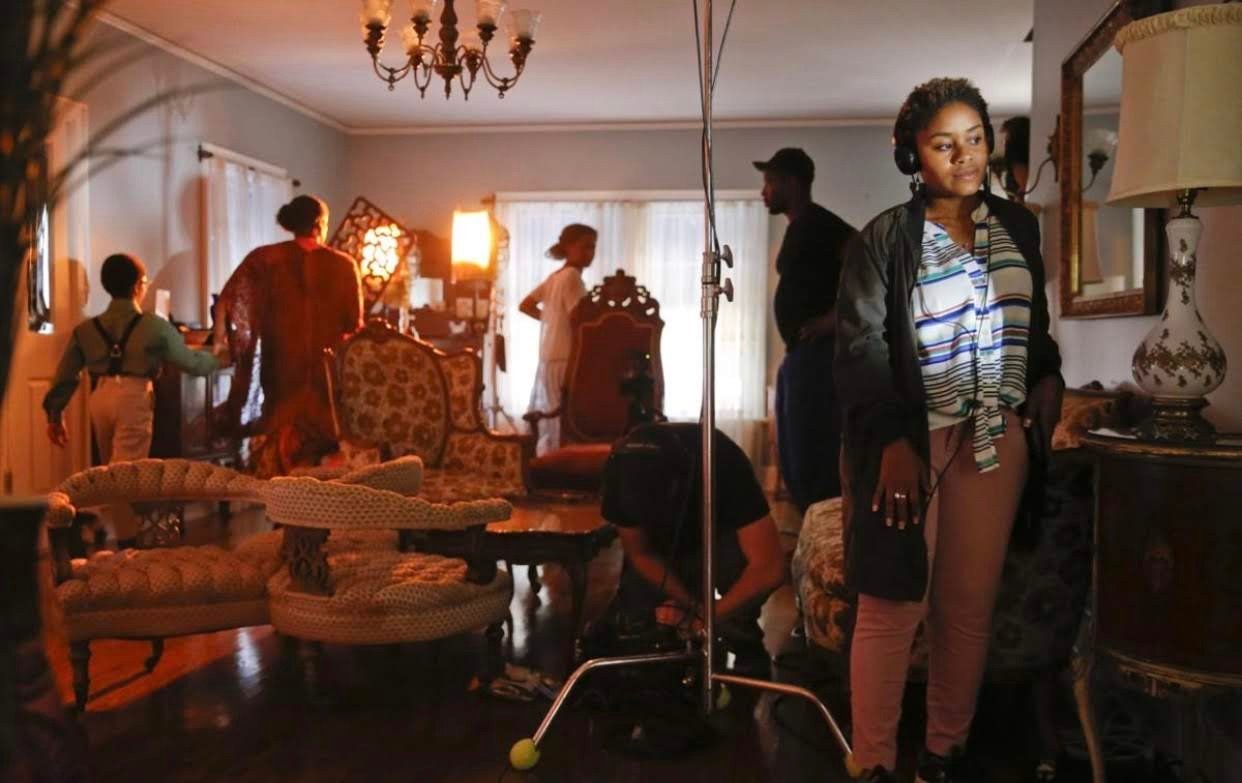
Talibah Newman Ometu was introduced to screenwriting as a profession at Hockaday, "I vividly remember flipping through the pages of the Titanic script in awe as I realized it was possible to make writing movies a career," she said.
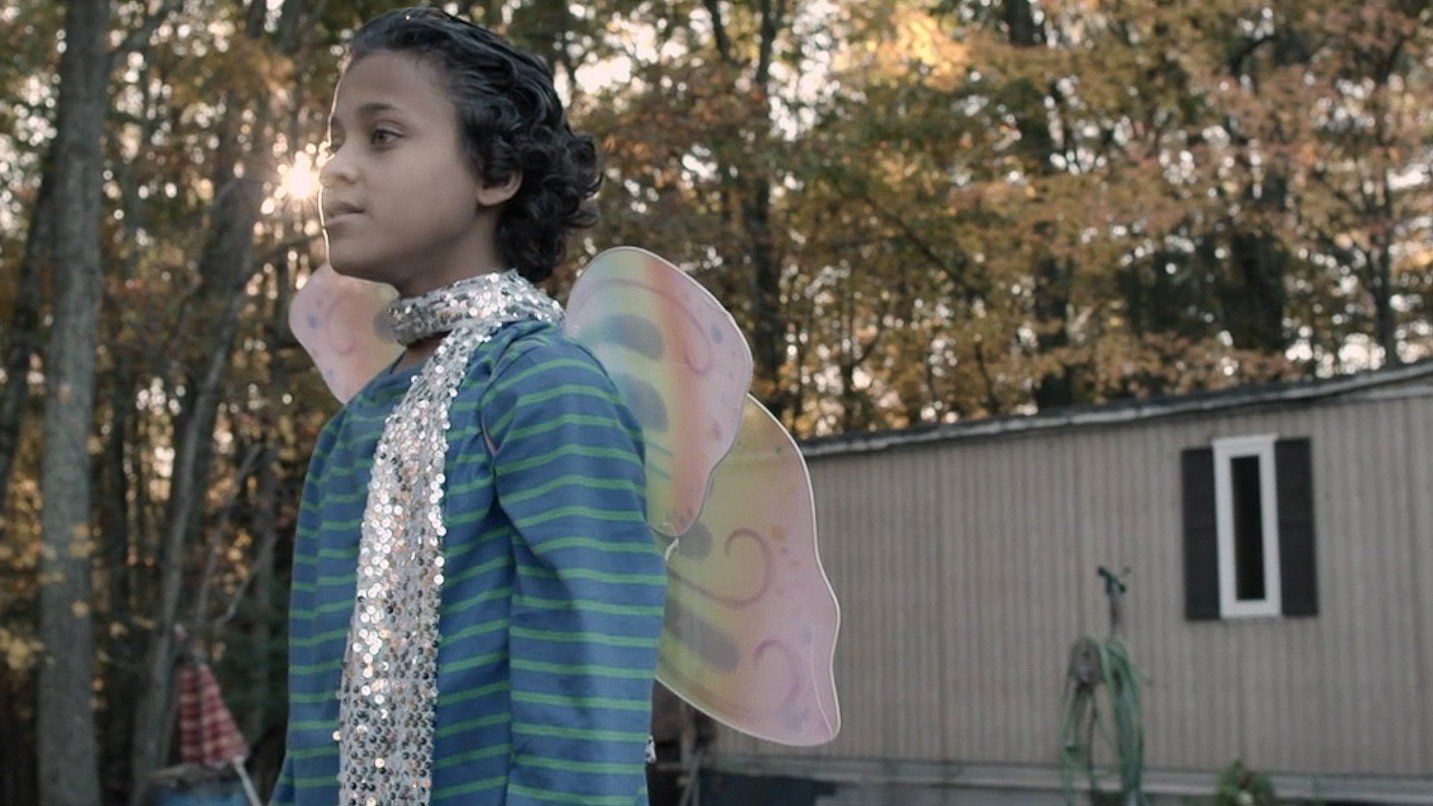
She attended Columbia University where she majored in Film Studies, Creative Writing, and African American Studies. She had several internships and explored the world of filmmaking including music videos, documentary filmmaking, and script development. She interned with Jonathan Demme in post-production and then worked as a post-production assistant with Malcolm D. Lee for the film Welcome Home Roscoe Jenkins. She became Malcolm's personal assistant and traveled with him to make the film Soul Men, starring Samuel Jackson and Bernie Mac. "It was during this process that I realized I wanted to be in the industry for the long haul," she said. She went to graduate school and focused on filmmaking and writing at Columbia University's School of the Arts, where she directed and wrote several short films that garnered competitive and exclusive licensing deals with HBO and KQED. She then co-created a web series, "First Dates," with her husband and founder of Black Oak TV, Uzo Ometu. Since then, she's written feature-length versions of both award-winning short films and penned a few pilots that were pèched to several networks
Talibah Newman Ometu
Canvas Rebel | Meet Talibah Ometu
Hockaday Celebrates 20 Years of HAARTS


"I learned the value of sisterhood and in turn deepened my understanding of the human condition and human relationships, which has been the bedrock of how I see and approach any story or subject"
"My favorite aspect of the writing process is reworking the script on set," she said. "Seeing my shorts, web series, and documentary content come to life on various platforms has been really exciting and gratifying. I also worked on a short documentary about Black Trans Women that won a GLAAD award, which I am extremely proud of. The challenging aspects of writing as of late have been the rewriting and declaring the work done, particularly when a lot. of my work is based on real-life experiences. Pitching ideas and concepts that don't "grow legs" can be disappointing at times, but this is the ebb and flow of the craft, I am a mother of three now, 50 efficiency with my time is the ultimate balancing act as it pertains to my career and creative process."
At Hockaday, she learned to be confident in my voice and to be unapologetically loud when it comes to the narratives I want to share. "I learned the value of sisterhood and in turn deepened my. understanding of the human condition and human relationships, which has been the bedrock of how I see and approach any story or subject," she said. "Studying Homer, Maya Angelou, James Joyce, Ernest Hemingway, Edgar Allen Poe, and Toni Morrison with Dr. Saxon and Mrs. Woodhouse really left an indelible mark on my journey as a writer and storyteller and helped me to see the world and human condition with a refined eye."
She is currently working on a story about her mother's journey as an activist who fought for economic freedom and protection for braiders in Texas, and is in the financing stage of her first feature film, Busted on Brigham Lane.


Talibah , thanks for joining us, excited to have you contributing your stories and insights. Can you talk to us about how you learned to do what you do?
I wrote relentlessly as a young adolescent, which I think is the foundation of my intrigue and passion for storytelling. As a college student I always had a mini-dv camera in tow documenting life as I saw it and I never shied away from asking my friends and family to open up about their lives as a way to dive deeper into the human experience. When I was in undergrad most of what I learned about my craft was the historical foundation of filmmaking. Towards the end of college I was able to take a course where we were asked to assemble narrative stories that we came up with on our own and it was through this exercise that I first started to assemble a narrative using film and editing language. During and post college I had many internships ranging from writing script coverage to PA’ing on music video sets. I landed a post production assistant gig with a director I admired and this was the pinnacle moment where filmmaking and my desire to make a career out of filmmaking cemented. I became the director’s personal assistant after my first leg working with him and I was able to see a film made from start to finish. After observing this process I decided I wanted to attend film school to pursue filmmaking seriously. Knowing what I know now the only thing that could have sped up my learning process was watching more films, writing more scripts, being on more sets, and making more of my own content. The skills I think are most essential are clear communication and the ability to pivot quickly when roadblocks are presented in production. Funding is an obstacle that has typically stood in the way of learning more, but now that we can make films on our phones there are really no excuses for sharpening your skills within the craft of filmmaking.
Talibah , love having you share your insights with us. Before we ask you more questions, maybe you can take a moment to introduce yourself to our readers who might have missed our earlier conversations?
My name is Talibah Ometu. I am a filmmaker. I got into my industry through various internships and apprenticing under a director as well as going to graduate school for my craft. I distill the human condition into stories that are accessible to others through the filmmaking lens. I am an actor’s director and my voice sets me apart from others. I am most proud of my ability to learn and work within various sectors of the business of storytelling spanning from digital video to theatrical/studio filmmaking. I want potential followers or fans to know that filmmaking is a marathon, not a sprint. I have made non-fiction, commercial, branded, and fictional work and my focus is currently on making a feature film based on one of my short films. I am always looking to connect with producers, financiers, investors, and team members who want to be apart of a larger vision and who love the craft of filmmaking as much as I do. This is truly a craft of passion as it requires so much from the individuals who commit to the journey and I wouldn’t have it any other way as I love what I do.

How can we best help foster a strong, supportive environment for artists and creatives?
Society can best support artists through providing opportunities for artists to work on their mental health, provide child care support for women in the film industry, and open the portals for financing and networking across the aisle. There are various barriers to entry in the film industry that many are tackling today and one huge step forward is to support local artists and the various platforms being created to support those artists.

What do you find most rewarding about being a creative?
The most rewarding aspect of being an artist is being able to turn ideas into tangible products with a village of creatives as well as being a portal for others to be able to experience aspects of the human condition they wouldn’t have been able to had you not told a particular story.